The average cost of car insurance in the United States varies significantly depending on the type of coverage, your location (state), driving record, age, vehicle type, credit score, and other personal factors. As of early 2026 (with data reflecting late 2025 trends), rates have been rising but appear to be stabilizing somewhat compared to the sharp increases in prior years.
Here are the most recent national averages from reliable sources like Bankrate, Experian, and others:
- Full coverage (typically includes liability + collision + comprehensive, recommended for most drivers, especially if your car is financed or you want protection for your own vehicle):
Around $2,600–$2,900 per year (roughly $217–$242 per month).
For example: - Bankrate reports ~$2,697/year ($225/month).
- Experian shows ~$2,894/year ($241/month).
- Other analyses range from $2,638 (Bankrate 2025 report) to around $2,300–$2,500 in some studies.
- Minimum liability coverage (state-required basic coverage that protects others if you’re at fault; cheaper but offers limited protection for your own car):
Around $800–$1,000 per year (roughly $65–$85 per month).
For example: - Bankrate reports ~$820/year ($68/month).
- Some sources show $629–$825/year.
These are national averages based on typical driver profiles (e.g., clean record, middle-aged). Your actual quote could be much lower or higher.
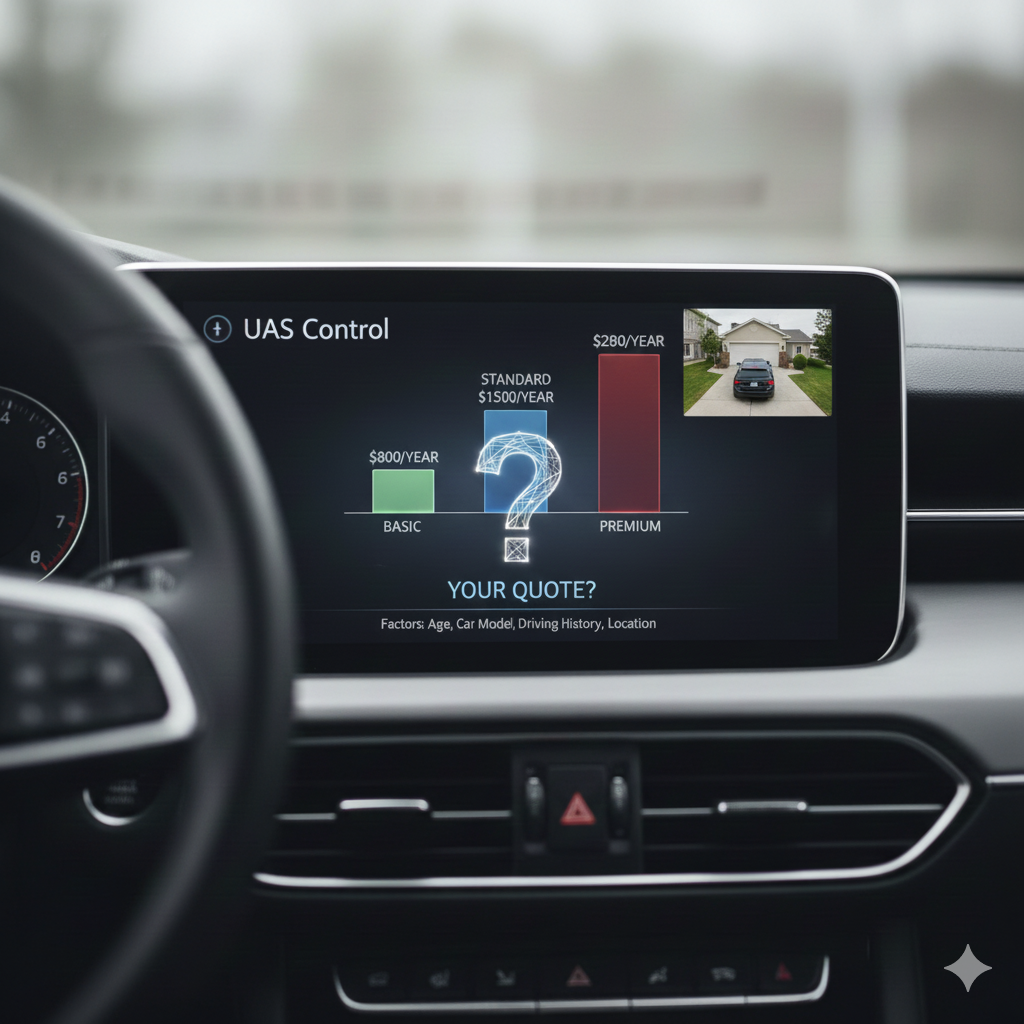
Key Factors That Affect Your Cost
- State you live in — This is one of the biggest drivers of cost. Cheapest states (full coverage averages): Vermont, Maine, New Hampshire, Idaho (often under $1,500–$2,000/year).
Most expensive: Louisiana, Florida, Nevada, New York, Michigan (often $3,500+ /year, sometimes over $4,000).
Rates can vary 2–3x between states due to local accident rates, theft, weather, repair costs, and regulations. - Other major influences —
- Poor credit can increase rates by 50–100%+.
- A recent accident, ticket, or DUI adds hundreds to thousands.
- Younger drivers (especially teens) pay 2–3x more.
- Sports/luxury/high-theft vehicles cost more to insure.
Car insurance is highly personalized, so the best way to know your exact cost is to get quotes from multiple insurers (like GEICO, Progressive, State Farm, etc.) — it takes just a few minutes online and can save you hundreds.
Here are the average car insurance costs by state in the United States as of early 2026 (data primarily from January 2026 analyses by sources like NerdWallet, ValuePenguin/LendingTree, Bankrate, and others). These are national estimates based on typical driver profiles (e.g., middle-aged adult with clean record and good credit, often for a common vehicle like a Toyota Camry).
National averages:
- Full coverage (liability + collision + comprehensive): Around $2,300–$2,700 per year (~$190–$225 per month). Recent figures include ~$2,496/year ($208/month) from ValuePenguin and ~$2,339/year from NerdWallet.
- Minimum liability coverage (state-required basics): Around $600–$800 per year (~$50–$70 per month).
Rates vary dramatically by state due to factors like accident rates, theft, weather risks, uninsured drivers, litigation, repair costs, and local regulations.
Cheapest States for Full Coverage
These rural or low-risk states often have the lowest premiums (annual averages):
- Wyoming — ~$1,148–$1,760
- Vermont — ~$1,517–$1,610 (often the absolute cheapest, around $128/month in some reports)
- Maine — ~$1,534–$1,687 (~$129/month)
- New Hampshire — ~$1,559–$1,694
- Ohio — ~$1,704
- Hawaii — ~$1,678–$1,949
- Idaho — ~$1,476–$1,905 (frequently in top cheapest)
Other low-cost states include North Dakota, Wisconsin, and Massachusetts.
Most Expensive States for Full Coverage
These states often exceed $3,000/year due to high fraud, no-fault laws, storms, traffic, or litigation:
- Louisiana — ~$4,135–$4,492 (highest in many analyses, ~$327–$374/month)
- Florida — ~$3,731–$3,884 (~$311/month)
- New Jersey — ~$3,622
- Nevada — ~$2,844–$3,568 (up to ~$335/month, frequently tops lists)
- Texas — ~$3,319
- Georgia — ~$3,248
- California — ~$3,119 (high in urban areas)
Other high-cost states include Colorado (~$3,200+), Michigan, Kentucky, and New York (varies widely, up to $4,000+ in some data).
For a more complete state-by-state view, here’s a selection of full coverage annual averages from NerdWallet’s January 2026 data (one of the most detailed recent sources):
- Alabama: $2,199
- Alaska: $1,856
- Arizona: $2,906
- Arkansas: $2,642
- California: $1,944
- Colorado: $3,221
- Connecticut: $2,757
- Delaware: $2,647
- Florida: $3,731
- Georgia: $3,248
- Hawaii: $1,949
- Idaho: $1,905
- Illinois: $2,510
- Indiana: $1,910
- Iowa: $2,217
- Kansas: $2,565
- Kentucky: $3,184
- Louisiana: $4,492
- Maine: $1,534
- Maryland: $2,902
- Massachusetts: $1,800
- Michigan: $3,050
- Minnesota: $2,508
- Mississippi: $2,558
- Missouri: $2,767
- Montana: $2,838
- Nebraska: $2,109
- Nevada: $2,844
- New Hampshire: $1,559
- New Jersey: $3,622
- New York: $2,599
- North Carolina: $1,780
- Ohio: $1,704
- Oklahoma: $2,734
- Oregon: $2,120
- Pennsylvania: $2,268
- Texas: $3,319
- Vermont: $1,517
- Virginia: $2,053
- Washington: $2,320
- Wisconsin: $2,207
- Wyoming: $1,148
These are averages — your actual rate could be lower (with a clean record, good credit, discounts) or higher (accidents, poor credit, young driver, luxury car). The best way to get your precise cost is to shop quotes from multiple companies (e.g., State Farm, GEICO, Progressive) online or via an agent, as it only takes minutes and can save hundreds.
Florida has some of the highest car insurance rates in the U.S., with full coverage averages often exceeding $3,500–$3,900 per year (around $290–$325 per month) in recent data, far above the national average. This stems from a combination of environmental, legal, demographic, and behavioral factors that create a high-risk environment for insurers, leading to more frequent and expensive claims.
Here are the main factors driving these elevated rates (based on analyses from sources like Insurify, The Zebra, Bankrate, and state reports as of early 2026):
1. No-Fault Insurance System and Generous PIP Requirements
Florida operates under a no-fault system, requiring drivers to carry Personal Injury Protection (PIP) coverage (minimum $10,000) that pays for medical expenses regardless of who caused the accident. This leads to higher baseline costs, frequent claims (including for minor injuries), and opportunities for fraud and abuse (e.g., staged accidents, inflated medical bills, and excessive litigation). Historically, this has driven up premiums significantly, though recent reforms have helped curb some abuse.
2. High Rate of Uninsured Drivers
An estimated 20–21% of Florida drivers are uninsured (one of the highest rates nationally). When uninsured motorists cause accidents, costs shift to insured drivers through higher premiums and the need for uninsured/underinsured motorist coverage. This creates a larger risk pool and increases overall expenses for everyone.
3. Frequent and Severe Accidents
Florida has a higher-than-average accident and fatal crash rate per mile driven, due to:
- Dense urban areas (e.g., Miami, Tampa, Orlando) with heavy traffic congestion.
- Large tourist population leading to unfamiliar drivers.
- Distracted driving, speeding, and other behaviors.
More accidents mean more claims, especially serious ones involving injuries, which inflate liability and medical costs.
4. Extreme Weather and Natural Disasters
Florida is highly vulnerable to hurricanes, tropical storms, flooding, hail, and wind damage. These events cause widespread vehicle damage (e.g., flooding, debris), leading to a surge in comprehensive claims. Insurers factor in this elevated risk, plus rising repair costs from climate trends, which contributes to higher premiums—even for non-weather-related coverage.
5. Litigation, Fraud, and High Legal/Medical Costs
The state has seen significant issues with fraudulent claims, staged crashes, and excessive lawsuits (including “sue-for-hire” schemes). High medical and legal expenses (e.g., attorney fees, bodily injury claims) further drive up costs. Urban density and tourism exacerbate theft and vandalism risks.
Recent Positive Developments (as of 2026)
Thanks to major insurance reforms enacted in 2022–2023 (championed by Gov. Ron DeSantis and the legislature), which addressed litigation abuse, assignment of benefits, and one-way attorney fees:
- Florida’s top auto insurers (covering ~78% of the market) reported an average -6.5% rate change for 2025 (some as high as -11.5%), a sharp reversal from +31.7% increases in 2023.
- Companies like Progressive, State Farm, and others have filed reductions (e.g., Progressive announced ~$1 billion in refunds/credits to policyholders).
- Litigation has dropped dramatically, and loss ratios improved to some of the nation’s lowest.
While rates remain high overall, these changes are providing relief, with trends toward stabilization or modest declines into 2026 (though factors like inflation, repair costs, and potential tariffs could influence future adjustments).
If you’re in Florida and shopping for insurance, compare quotes from multiple providers—reforms have made the market more competitive, and a clean record/good credit can yield big savings! Let me know if you’d like details on specific cities or tips to lower your premium.